

Out of the 4 main pillars of Sustainable Tourism, Sustainability Management is the very first pillar. Rather, it’s the very first step for any company or organisation looking to amalgamate sustainable practises in its day to day workings. Sustainable Management is the practice of managing a business’s impact on the three bottom lines—people, planet, and profit—so that all three can prosper for a better future.
According to GSTC (Global Sustainable Tourism Council), Sustainable Management means “The organization has implemented a long-term sustainability management system that is suitable to its size and scope, addresses environmental, social, cultural, economic, quality, human rights, health, safety, risk and crisis management issues and drives continuous improvement.”

Green Teams
In 2015, the UN established its 17 interlinked Sustainable Development Goals (SDG) to achieve a better and more sustainable future for all by 2030. Recently, these SDGs have been the buzz word all over as more and more organizations realize the climate crisis and commit to play their part in going sustainable.
Now, most big players in the tourism and hospitality industry have the capability of developing a top team or hiring the best professionals to do this job and have already started their journey into various CSR initiatives. We will not talk about these organizations. Let us focus on small SMEs or small tourism related agencies who are very much interested in taking sustainable initiatives but do not know how to go about with it. These small companies committed to or wanting to commit to sustainability must go the “top to bottom” way. The top management or the CEO must implement clear KPIs along with a relevant budget set aside for sustainable development goals of the organization. This should be followed by setting up a dedicated Green Team. This Green Team can consist of people from different departments from varied backgrounds, preferably of different age range too, as to gain different perspectives. But one common thing between them should be to have keen interest in sustainability or willingness to learn. This Green Team should commit to meet on a regular basis, say once a month, to discuss and brainstorm ideas.
The very first action of the Green Team should be to measure and do a baseline review of where the organization stands at present in terms of sustainability and then plan further strategies accordingly.
KPIs of the Green Team
Once a Green Team is formed, they must engage and meet regularly with all stakeholders to discuss on measuring and taking action on sustainability issues. Involvement should include the local community leaders and other stakeholders like hoteliers, DMCs etc. to understand the baseline before planning strategies. Action plans, budgets and timelines are the backbone of any solid sustainable strategy.
The KPIs (key performance indicators) from the organization leaders for their Sustainability Management System and which the Green Team must execute, should include the following:
- that the Sustainability Management System is clearly documented and reported
- that it covers environmental, social, cultural, economic, human rights, health & safety issues
- that the system includes consideration of risk and crisis management
- that there is involvement of all stakeholders and enough awareness and training is provided, as and when required.
- that the system includes a process for monitoring continuous improvement in sustainability performance.
Workflow of the Green Team
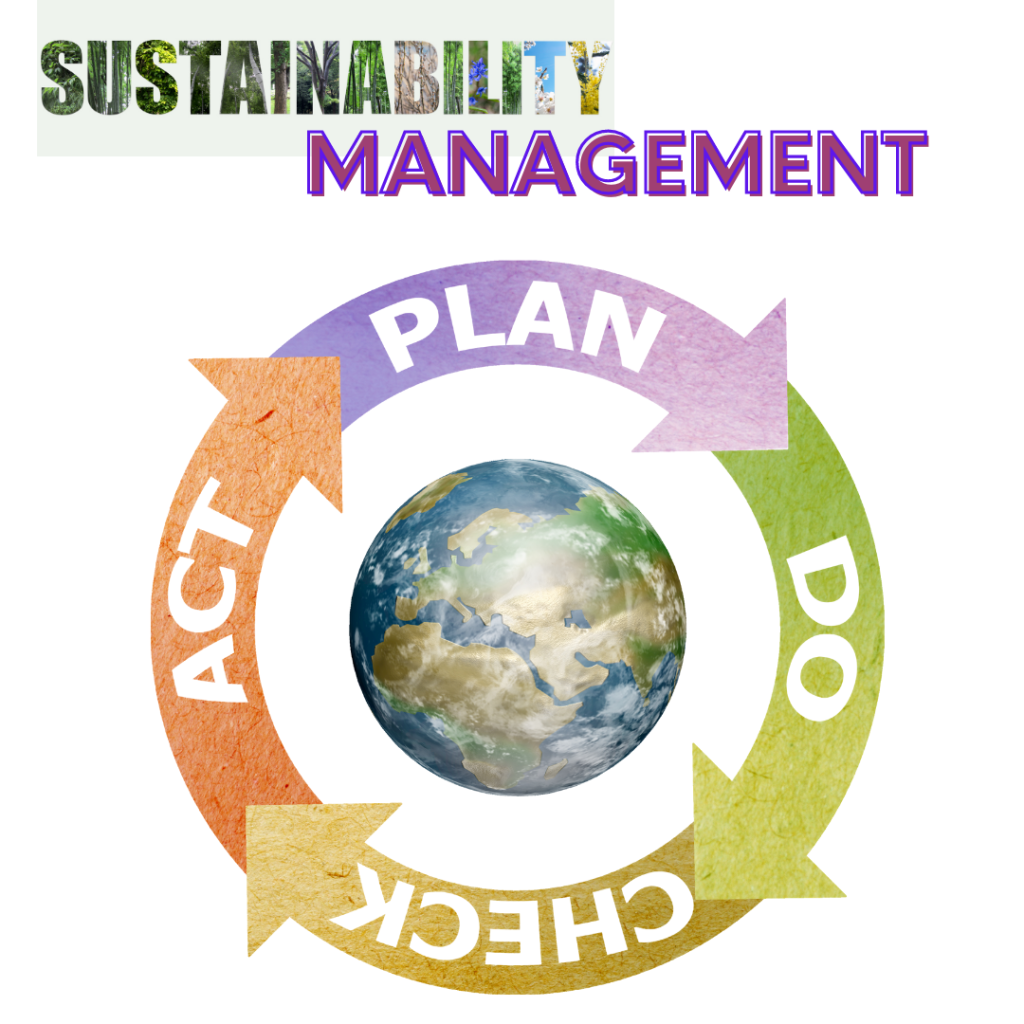
The workflow of the Green Team should be as the classic business mantra of PLAN – DO – CHECK – ACT
PLAN:
- First do a baseline measurement and identify the requirements of the organization
- Plan and develop actions/strategies accordingly to achieve the company’s sustainable goals
DO:
- Implement those policies and take action on the strategies
- Create awareness and train stakeholders to assist with implementation
- Communicate the policies and strategies to all parties concerned in a simple way to gain support
CHECK:
- After a pre-determined period of time, measure the success of the actions taken
- Make a benchmark of the performance expected
ACT:
- Review and revise management system/ strategy where required and as and when required
Why is it important
Once a travel business has its Sustainability Management System in place and is satisfied with its implementation, it can seek to apply for certification from relevant bodies. Being certified by a prominent and accredited certification body like EarthCheck (for DMCs) or Travelife (for Tour operators) tourism businesses, raise their status and become recognized for their sustainable efforts. It’s also offers an edge over competition and tourists identify the company as sustainable tour operator, boosting sales. This is good for its marketing in the changing tourism industry where there is a growing demand for sustainable tourism. Overall, this is good for building back better!
NOTE: This article is not necessarily for tourism related businesses, it can also be relevant for any other business interested in implementing sustainable practices.

 Travel Greenie